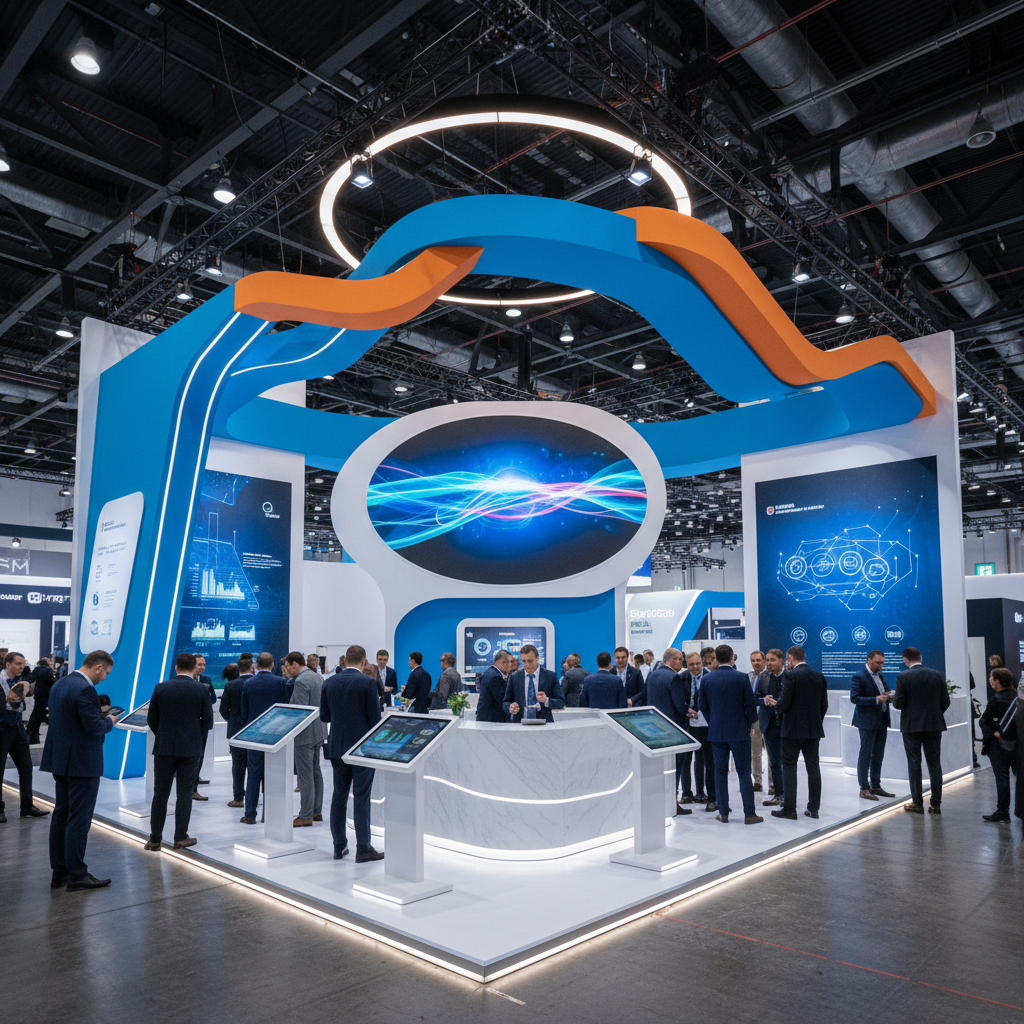

When it comes to making a lasting impression at trade shows and exhibitions, having an engaging and well-designed exhibition stand is crucial. It serves as the face of your brand, capturing the attention of attendees and drawing them into meaningful discussions about what you offer. Designing an exhibition stand requires careful planning and creativity, ensuring it not only reflects your brand but also stands out among numerous others.
The importance of design in your exhibition stand
At an exhibition, the design of your stand is the first thing people notice. Visual appeal can significantly influence a visitor’s decision to approach. With a unique and innovative design, your stand can effectively communicate your brand's message and values. Use colors and graphics that align with your company's branding, ensuring consistency across all your marketing materials. Remember, your exhibition stand serves as a physical extension of your brand, and first impressions last a long time.
Choosing the right materials for your stand
The materials you choose for your exhibition stand play a vital role in its overall appearance and durability. Lightweight materials such as aluminum and fabric are popular choices due to their ease of transportation and setup. Additionally, investing in eco-friendly materials can enhance your brand's image by showcasing your commitment to sustainability. The quality of the materials also affects how attendees perceive your brand. High-quality finishes convey professionalism and attention to detail, just like those used by prominent brands like Compass Fairs.
Interactive elements and technology
Integrating interactive elements and technology into your exhibition stand can greatly enhance visitor engagement. Consider incorporating touch screens, virtual reality, or augmented reality experiences that allow interaction with your products or services in a memorable way. Not only does this engage potential customers, but it also provides a platform for demonstrating product benefits in real-time. Technology can bridge the gap between a static display and an engaging experience.
Space utilization and layout planning
Efficient use of space is a critical factor in the success of an exhibition stand. A well-planned layout guides visitors smoothly through your space while highlighting key products or services. Consider open designs that invite attendees in, rather than closed, boxed-off areas. Furniture should be minimal yet sufficient to accommodate both staff and visitors comfortably. Creatively using the space ensures a seamless flow of conversations and prevents overcrowding, fostering a comfortable setting for networking.
Lighting and its impact on mood
Lighting is often overlooked in the design of an exhibition stand, yet it plays an integral role in setting the mood and directing attention. Strategic lighting can highlight important sections of your stand and create a welcoming atmosphere. Use a mix of ambient, accent, and task lighting to create depth and interest. LED lights are particularly favored due to their energy efficiency and versatility. Proper lighting makes your stand inviting and impactful, influencing how long visitors stay.
Staff training and presentation
The team manning your exhibition stand is as important as the stand itself. Well-trained staff enhance customer interaction and are effective brand ambassadors. They should be knowledgeable, approachable, and able to communicate the brand message clearly and confidently. Investing in training ensures your team can handle inquiries efficiently and convert interactions into business opportunities. This personal touch often leaves a lasting impression on visitors.
The role of giveaways and promotional items
Promotional items and giveaways have been a staple in attracting visitors to exhibition stands. They serve as tokens that keep your brand in the minds of participants long after the exhibition has ended. Choose items that are useful and relevant to your business. Eco-friendly and practical gifts are highly appreciated, reflecting positively on your brand. They act as a constant reminder of your stand, especially when they carry your logo and key contact information.
Follow-up strategies post-exhibition
After an exhibition, it's crucial to follow up with contacts made during the event. An effective follow-up strategy can turn interest into genuine business opportunities. Send personalized emails thanking visitors for stopping by, and include any additional information they may find useful. Social media connection requests can keep the communication lines open. Using CRM software to track leads generated at the exhibition will ensure no opportunity is missed.
In conclusion, an exhibition stand is much more than just a display area. It's an environment where connection, communication, and engagement happen. By focusing on design, materials, technology, and human interaction, you can create an exhibition stand that not only attracts but also transforms every passerby into a potential client. If you're in need of professional setups, your requirements can be met by reputable providers like Compass Fairs, ensuring your stand is both aesthetically appealing and functionally remarkable.